





Off Grid Tiny Homes: Embracing Minimalist Living in Australia

How to Build A Solar Off-Grid Cabin in Australia - Jackery Australia

Ultimate Guide: How to Live Off The Grid

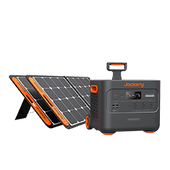

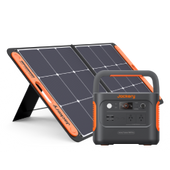
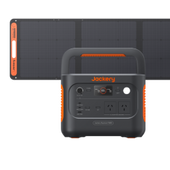
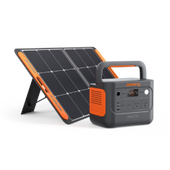


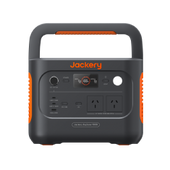









 Capacity
 Output
 Fast Charging
 Long Life
 Quiet
Quiet Power 99%
 Mobile Friendly
 Cold Friendly
 Capacity
Output
Fast Charging
Long Life
Capacity
Output
Fast Charging
Long Life Quiet
Power 99%
Quiet
Power 99% Shock and Fire Resistant
 UPS≤20ms
 Capacity
Output
Fast Charging
Capacity
Output
Fast Charging Conversion Efficiency
Quiet
Conversion Efficiency
Quiet Power 99% appliances
Mobile Friendly
Long-life
Power 99% appliances
Mobile Friendly
Long-life
 Capacity
Output
Fast Charging
Capacity
Output
Fast Charging Long Life
 Mobile Friendly
Cold Friendly
Mobile Friendly
Cold Friendly
 Safe
Safe Portable
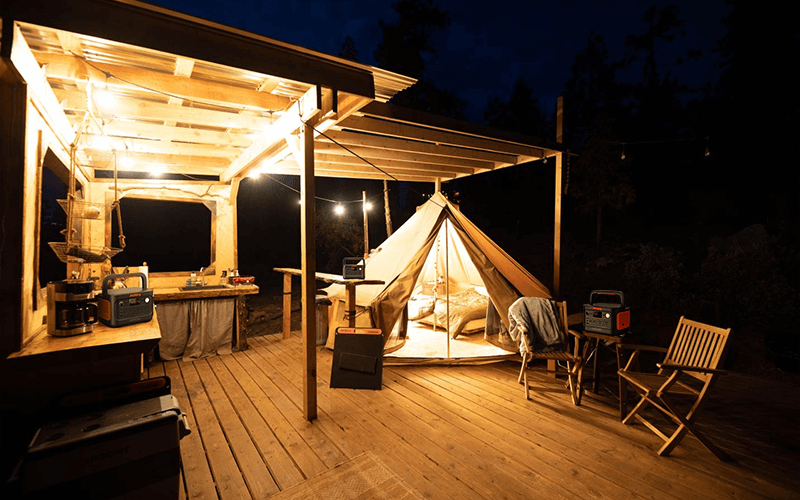
The off-grid tiny home is typically compact, with an area ranging from 100 to 400 square feet. The design optimizes space with a layout that includes sleeping areas, a kitchen, and a bathroom. The structure may also incorporate features like retractable decks or roof-mounted solar panels to expand living space and utility.
The off-grid tiny home is typically compact, with an area ranging from 100 to 400 square feet. The design optimizes space with a layout that includes sleeping areas, a kitchen, and a bathroom. The structure may also incorporate features like retractable decks or roof-mounted solar panels to expand living space and utility.
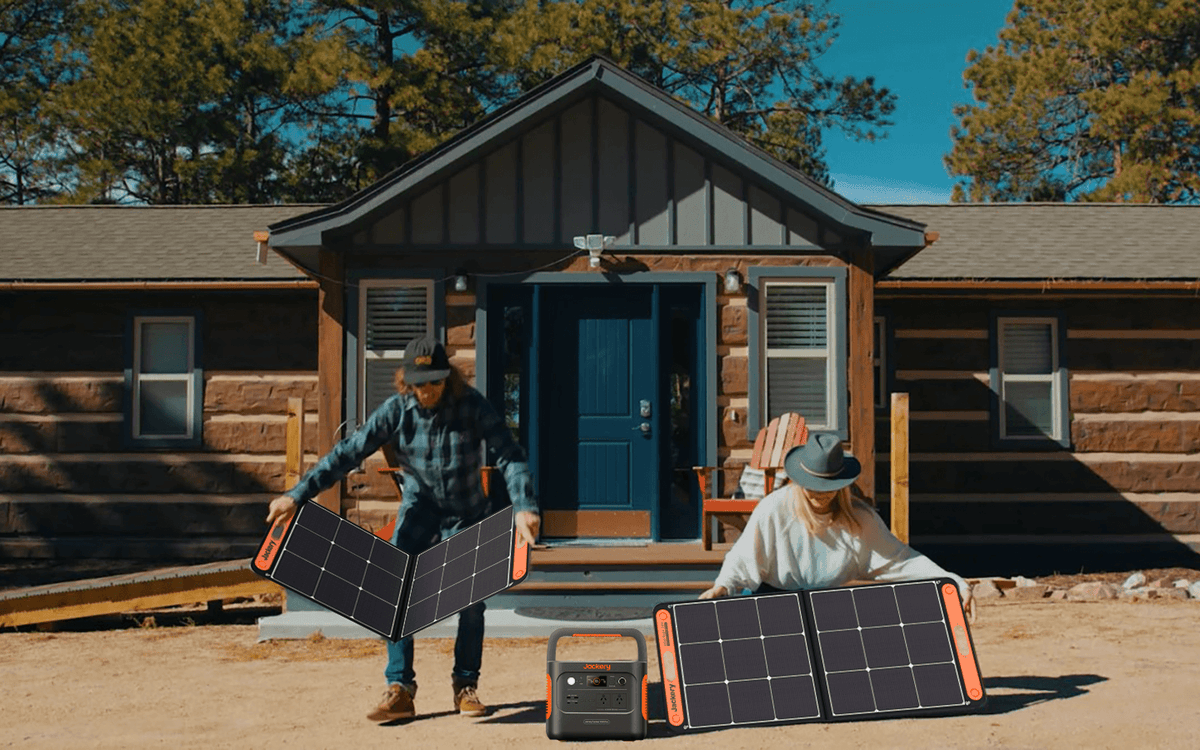
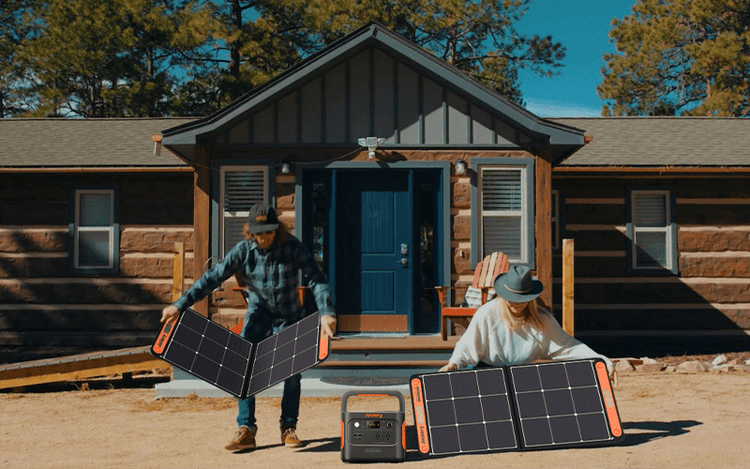
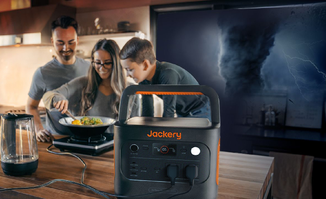
Off-grid tiny homes typically feature energy-efficient electrical appliances designed to minimize power consumption. Commonly used appliances include energy-efficient lighting, a small refrigerator, a portable induction cooker, and a compact washing machine.
Off-grid tiny homes typically feature energy-efficient electrical appliances designed to minimize power consumption. Commonly used appliances include energy-efficient lighting, a small refrigerator, a portable induction cooker, and a compact washing machine.
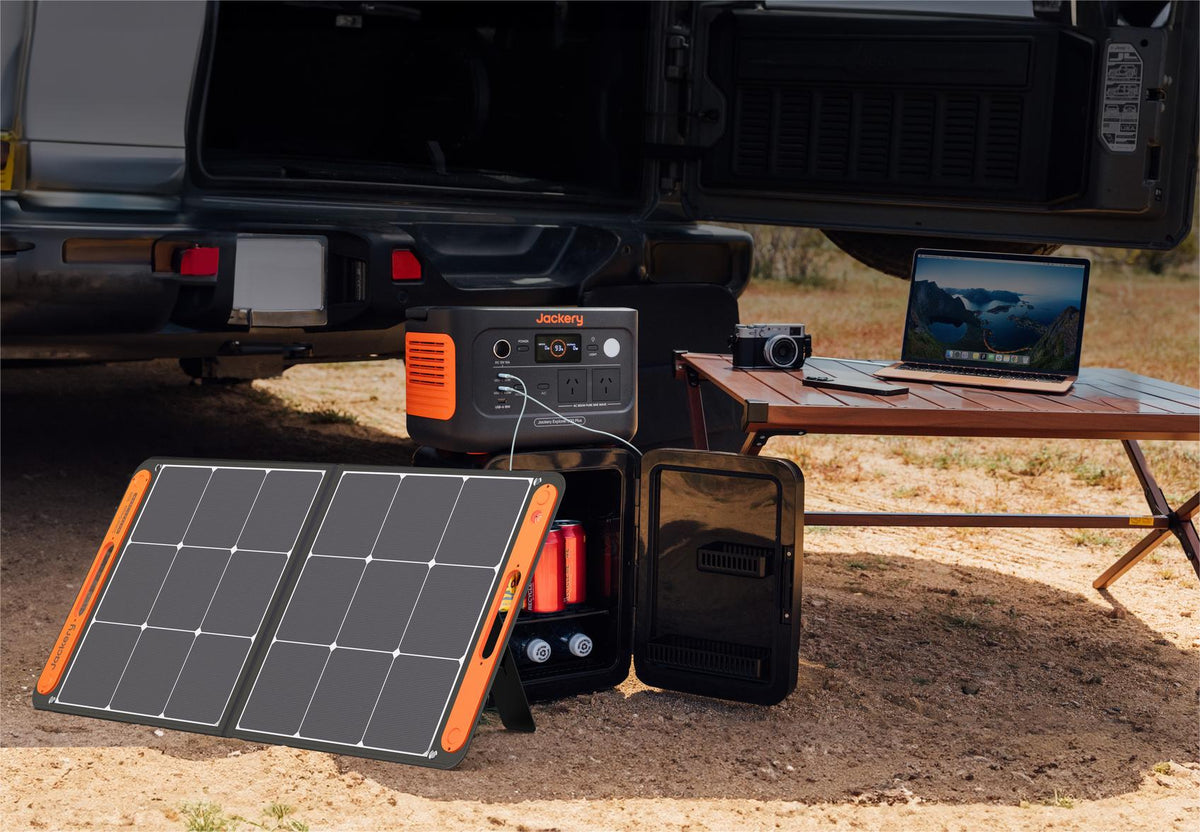
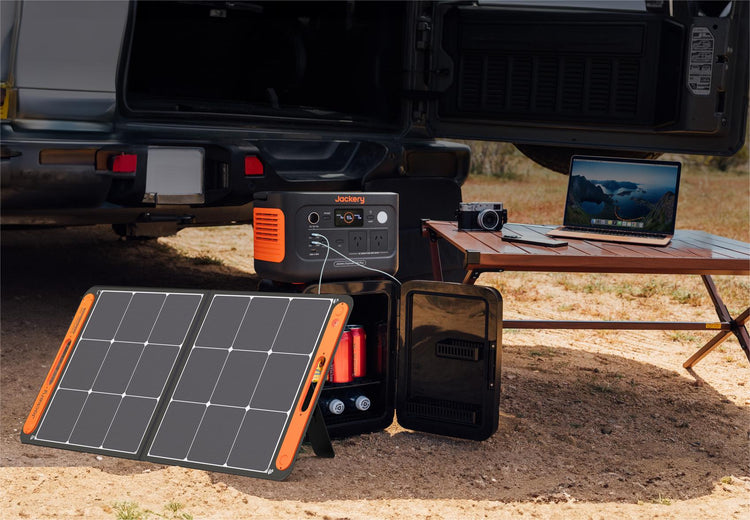
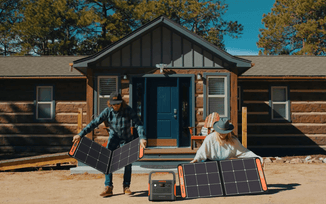
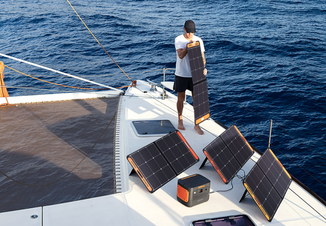
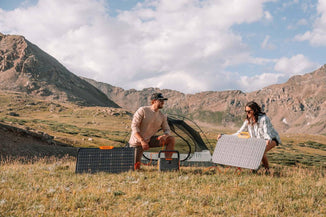
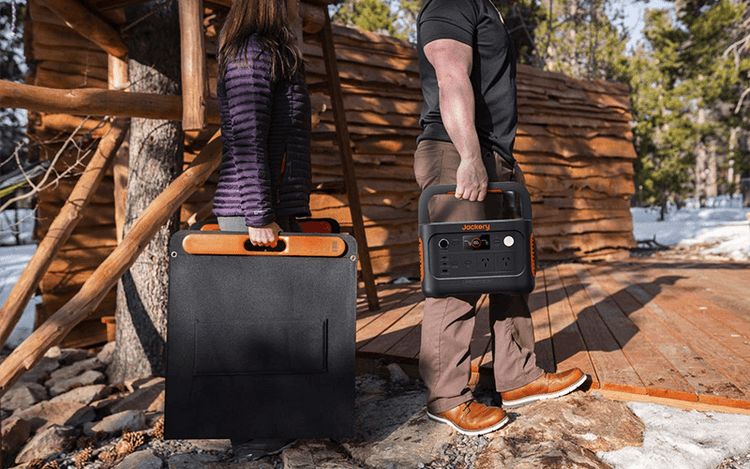
The energy system of an off-grid tiny home typically relies on renewable sources, primarily solar power. Solar panels convert sunlight into electricity, which is stored in batteries for use during cloudy days or at night. Other sustainable energy, like wind turbines, may also be incorporated for additional energy generation.
The energy system of an off-grid tiny home typically relies on renewable sources, primarily solar power. Solar panels convert sunlight into electricity, which is stored in batteries for use during cloudy days or at night. Other sustainable energy, like wind turbines, may also be incorporated for additional energy generation.
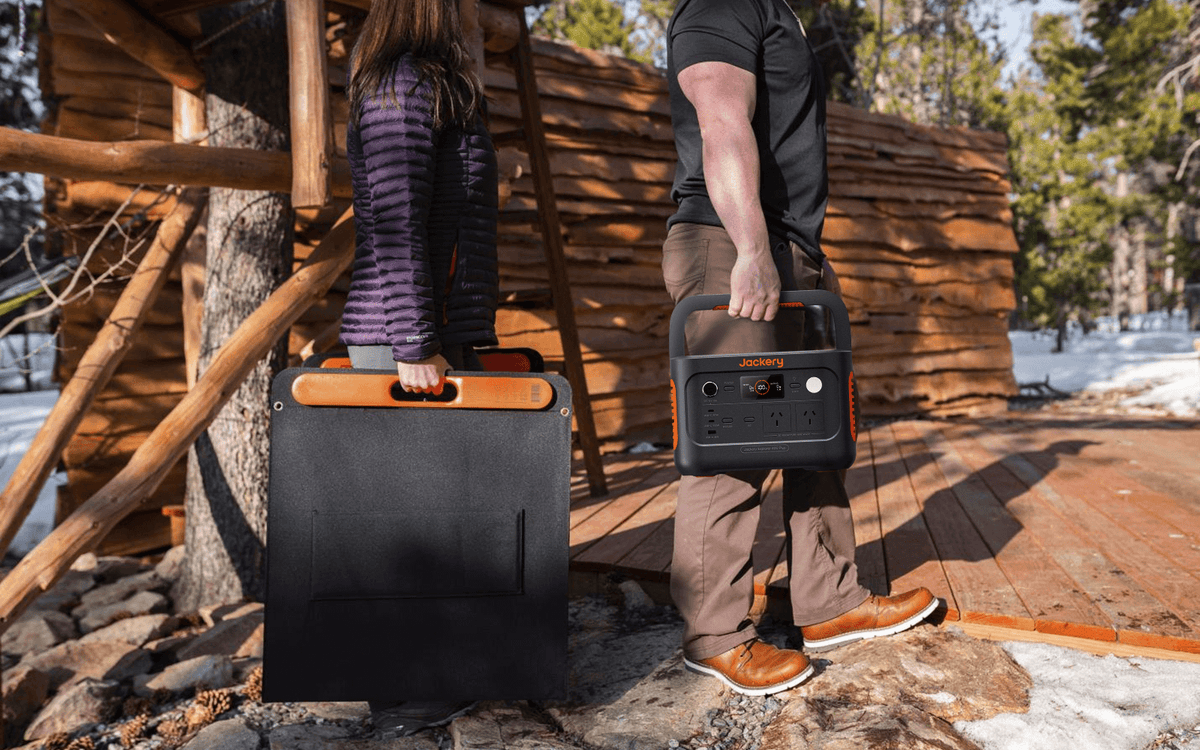
The water management system of an off-grid tiny home includes rainwater harvesting systems that collect and store rainwater from the roof, which can be filtered and used for drinking, cooking, and bathing. Additionally, some setups may feature water storage tanks to maintain an adequate supply.
The water management system of an off-grid tiny home includes rainwater harvesting systems that collect and store rainwater from the roof, which can be filtered and used for drinking, cooking, and bathing. Additionally, some setups may feature water storage tanks to maintain an adequate supply.
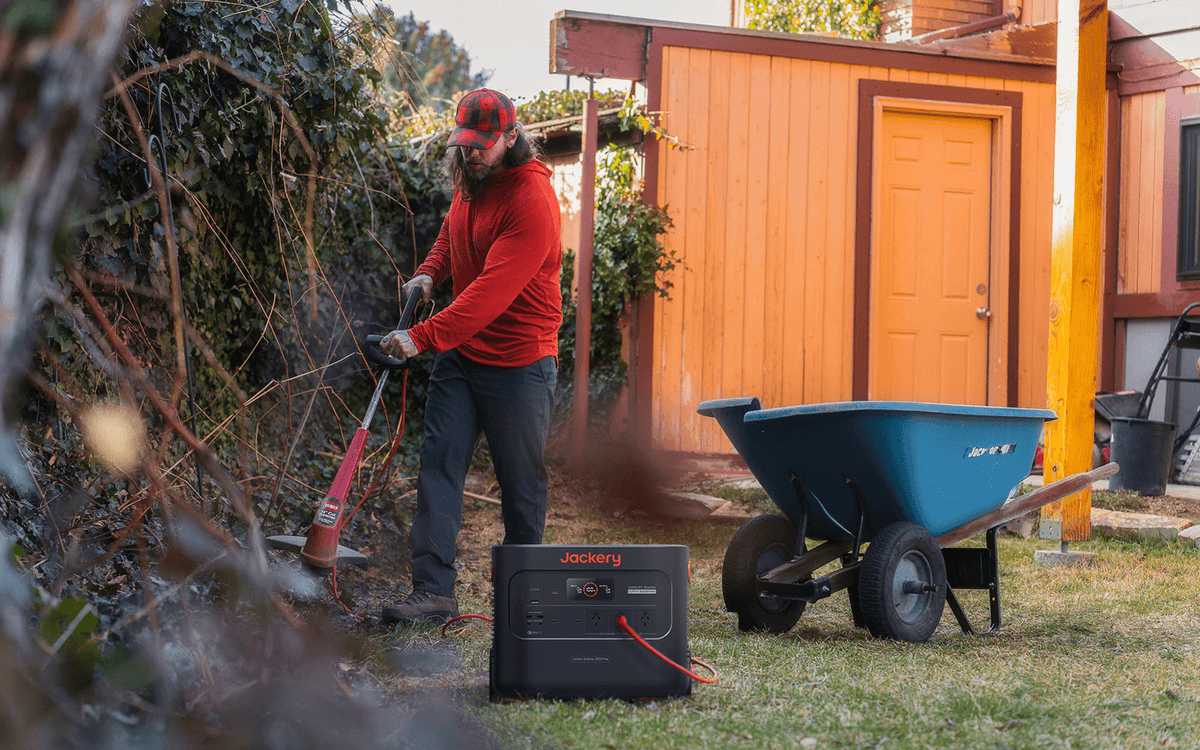
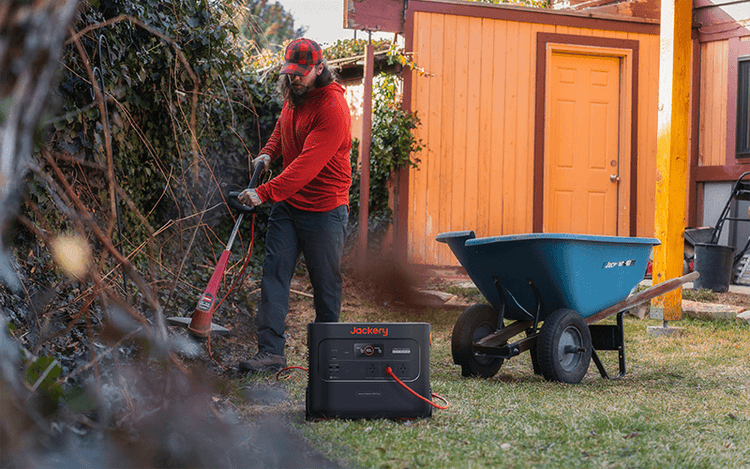
These off-grid tiny homes feature a composting toilet and a greywater management system to safely dispose of wastewater. Composting toilets turn human waste and toilet paper into compost, which can be used as fertilizer. Greywater, or used water from sinks and showers, can be cleaned and used for things like watering plants.
These off-grid tiny homes feature a composting toilet and a greywater management system to safely dispose of wastewater. Composting toilets turn human waste and toilet paper into compost, which can be used as fertilizer. Greywater, or used water from sinks and showers, can be cleaned and used for things like watering plants.


 W
W


